Installing an inground pool heater changes your whole backyard experience. The total price to add a heater ranges from $1,000 to $12,000, but average setup costs run between $1,822 and $4,254. Buying the actual unit costs $1,000 to $4,500, and hiring workers adds another $500 to $1,500.
Fuel type | 2026 purchase + installation cost range |
|---|---|
Electric resistance, natural gas, or propane | $1,200 – $6,000 |
Solar or energy-efficient heat pump | $2,000 – $6,500 |
Your monthly bills will depend on the type of system you pick. Running a gas unit costs $300 to over $800 each month. A solar pool heater costs $0 to run every month. Heat pumps cost $100 to $300 monthly, which keeps your water warm without destroying your budget. Solar options give you clean, green heat. Comparing different inground pool heaters and picking the right one makes swimming much more comfortable.
Putting in a heater for an inground pool usually costs between $1,822 and $4,254.
Solar heaters are the cheapest to run, while electric heat pumps save more money than gas heaters.
Picking the right heater BTU size for your pool volume stops you from wasting energy.
Using a pool cover keeps your water warm and cuts your energy costs by up to 70 percent.
Picking inground pool heaters means matching your family budget with your heating goals and swimming plans. The best choice depends on your local climate, water volume, and planned swim season length. Comparing different systems helps you balance initial buy costs against future operating bills. Prices depend heavily on energy sources and equipment designs. For example, a basic solar heating system costs between $1,500 and $2,000 for standard homes, giving you almost free ongoing power.
A gas pool heater warms up pool water very fast during cold weather. Cheaper buying prices make this type popular with many pool owners. Equipment costs change based on fuel type and heating power. Natural gas models in the 150K BTU size cost $1,500 to $2,170 for small pools. Medium 250K to 266K BTU units run $2,799 to $3,299. Large 399K to 400K BTU units range from $3,656 to $4,500. Propane models in the 250K to 300K BTU size cost $2,000 to $4,500, while 300K to 400K BTU units cost $3,000 to $5,500. Popular high-power brand models cost between $3,337 and $4,849.

Total gas pool heater expenses depend on monthly energy use, thermal pool covers, and local utility prices. Natural gas models run $200 to $400 monthly because underground pipes deliver fuel right to your house without delivery fees. Propane heaters cost $300 to $500 monthly because truck shipments and storage tanks add extra costs. Yearly running expenses for gas average $2,500. Standard heaters cost about double to operate compared with efficient electric heat pumps.
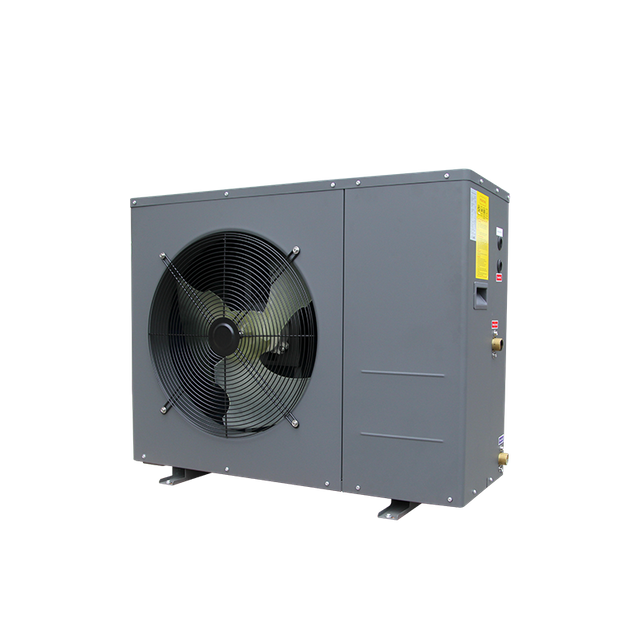
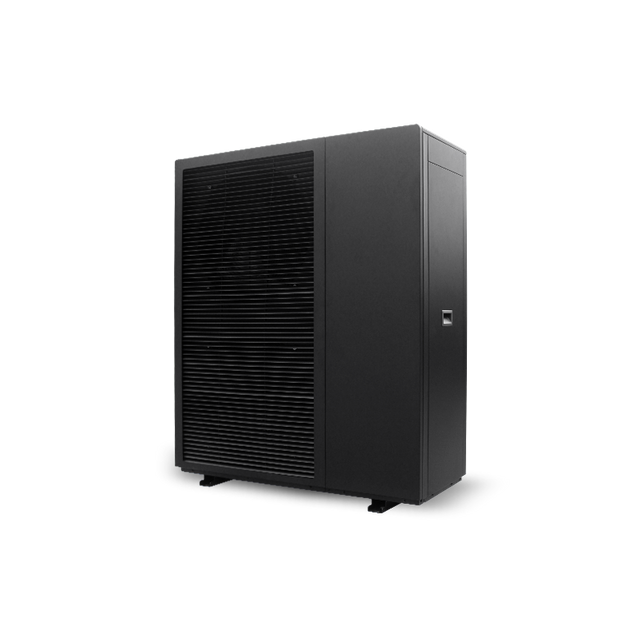
An electric heat pump pulls heat from outdoor air to warm your pool efficiently. Gear costs for standard heat pumps outputting 100K to 140K BTU range from $2,700 to $4,250. Simple starter models like the FH135 (35,000 BTU) sell for $1,299.99. The FH255 (55,000 BTU) costs $1,799.99, while the FH270 (70,000 BTU) costs $1,999.99. Smart inverter models like the FH285-i (62,000 BTU) cost $2,499.99 and handle water volumes up to 17,500 gallons. Inverter systems shift motor speeds automatically to hold steady temperatures while saving electric power.

Needed BTU power connects directly to your water volume and heating needs. Small pool setups under 10,000 gallons need 60,000 BTU or more. Medium pool setups up to 15,000 gallons take 90,000 BTU. Bigger pool setups under 20,000 gallons require 120,000 BTU, while systems up to 25,000 gallons use 140,000 BTU units. Buying costs go up as BTU numbers increase. Yearly running costs average $1,200 for heat pumps. This total equals half the yearly bill of gas and one quarter the cost of propane. Smart heat pumps pay back their extra upfront cost within 1.5 to 7 years.
A complete thermal setup requires a clear equipment budget before your installation begins. Homeowners spend between $2,500 and $7,000 on a professionally installed system. Purchasing DIY kits requires $1,500 to $3,000 for standard residential setups, while basic raw materials require $300 to $750. Unglazed collectors made of heavy rubber or plastic offer a low cost choice for warm locations above freezing temperatures. Glazed panels feature copper tubing on aluminum plates covered by tempered glass for maximum thermal absorption in colder areas.

Control accessories add specific fees to your overall project price. Manual diverter valves range from $150 to $250, while automatic diverters with digital controllers run $325 to $600. Advanced programmable controllers with wireless smartphone connections require $800 to $1,500. Standard single-story roof labor adds $800 to $1,500 for straightforward jobs, while complex multi-story or steep tile roof installations require $2,000 to $4,000 in labor.
Installing a solar pool heater removes your monthly power bills. Your current filter pump pushes water through panel collectors with no added energy fees. Running a gas unit adds $1,500 to $3,000 in yearly expenses. Efficient sun heating saves $1,200 to $2,400 annually, paying back system costs in 2 to 4 years. Expect professional yearly maintenance checks to cost between $185 and $250.
Local weather patterns directly impact overall heating performance and water warmth. Strong sunlight allows solar powered heaters to raise water temperature by 15°F to 25°F in sunny regions like Florida, Arizona, and Southern California. Shaded backyards reduce daily collection output. Cold northern climates restrict unglazed collector efficiency during freeze periods. Homeowners in chilly regions combine sun panels with electric pumps to keep pool water warm year-round.
Matching your heater size to your water volume is very important for inground pool heaters. Getting the right size stops the system from turning on and off too much, which saves energy. Larger pools hold more water, so they need extra power to warm up. Experts recommend picking a heater that fits your exact pool capacity. Most backyards need about 50,000 to 70,000 BTUs for every 10,000 gallons of water. A small pool under 12,000 gallons needs an 85,000 BTU heater. Medium pools holding 12,000 to 18,000 gallons need a 110,000 BTU unit. Large pools with over 18,000 gallons take 125,000 to 140,000 BTUs to warm the water quickly.
Equipment prices go up as you buy units with higher heating power:
Pool size | Pool volume (gallons) | Required BTU output | Initial unit cost (USD) |
|---|---|---|---|
Small | Under 12,000 | 85,000 | $1,500–$3,000 |
Mid-size | 12,000–18,000 | 110,000 | $2,500–$4,500 |
Large | 18,000+ | 125,000–140,000 | $3,500–$5,500 |
Setting up new energy connections will raise your final pool heater cost. Normal labor fees run between $500 and $1,500 for standard home installations. Adding a short gas line under 50 feet costs an extra $400 to $1,000. Running a longer gas pipe from 50 to 150 feet increases setup costs to somewhere between $1,000 and $3,000. Electric heat pumps need a special 240V plug that costs $500 to $1,500 to install. Upgrading an old circuit breaker panel adds another $1,000 to $3,500 if your house runs out of power space.
Local climate and pool covers play a big role in your total monthly bills. Cold weather forces your unit to run longer, using more energy overall. Warm weather lets your system rest more often. Using a pool cover stops water evaporation and holds heat inside the pool at night. A solid cover cuts surface heat loss by 80 percent and drops energy needs by 70 percent. Solar blankets also catch heat from the sun so your machine does not work as hard. Preventing heat loss reduces your machine running time and saves money on energy.
Think about how long equipment lasts and how much repairs cost before buying a heater. Gas units usually last just 5 to 10 years and do not save you money. Spending on a basic gas model reaches $17,500 over five years from high fuel use and care. Fixing rusty burners or broken heat exchangers adds to your total spending over time. Getting expert checkups helps stop surprise failures during peak summer swimming times.
Solar pool setups work for 15 to 20 or more years, while tough solar collectors last 20 to 30 years with easy upkeep. This long life creates an awesome 42.6% return on investment for owners. Spending $8,000 on solar brings an 8-year total cost of $8,720, giving 6 to 18 years of free heat after paying for itself. Solar collectors cover their early purchase cost in 2.35 to 4 years over old gas options.
Energy ratings determine your monthly power bills and long-term heating success. Standard gas heaters run at 80% to 95% efficiency, which equals a 0.8 to 0.95 COP since heat slips out through exhaust vents. Electric heat pumps provide a strong 3.0 to 7.0 COP range in regular weather. This high score means the pump moves 3 to 7 heat units into your water for every single unit of power used.
Buying efficient heating tools keeps your home budget low with dependable power costs. Electric heat pumps take an average of $1,050 to run each year, leading to an 8-year total price of $12,800. This smart setup saves $1,350 every single year when matched against gas systems. Solar options drop power bills even lower with a tiny $70 yearly running cost. Sun heating saves $2,340 each year over gas while cutting overall costs by up to 70%.
Shopping for pool equipment requires balancing initial purchase prices against ongoing operational expenses. Gas units offer a lower installed cost of $1,500 to $6,000 for standard residential setups. Natural gas models cost $1,500 to $5,000 installed, while propane models run from $1,800 to $5,500. Gas systems generate higher monthly fuel bills ranging between $150 and $600. Complete electric heat pump setups need $2,000 to $8,000 upfront. Warm weather zones keep monthly operational fees for heat pumps down to $50 or $150, but colder weather raises monthly bills to $200 or more.
Solar heating systems demand an upfront price of $2,500 to $9,500 installed. Solar collectors cost only $5 to $25 monthly for filter pump electricity because free sunlight powers the system. Simple upkeep keeps solar panels working for 15 to 20 or more years. Electric heat pumps save about $3,600 per year when compared to high gas fuel expenses. Balancing upfront spending against long-term operational savings protects your household budget while heating your pool efficiently.
Local weather patterns and swimming schedules dictate how your pool heater performs. Cold northern climates demand rapid heating for occasional weekend swimming. Gas units warm water quickly at 1°F to 3°F per hour near freezing temperatures. Mild climate regions staying above 50°F match electric heat pumps well. Heat pumps deliver 500% to 600% energy efficiency for regular daily swimmers who want steady water temperatures throughout the swim season.
Sun-rich locations allow solar panels to cut energy expenses by up to 70% during peak sun hours. Hybrid system designs work best in variable weather zones. Combining gas burners with electric heat pumps allows easy switching between rapid heating modes and steady energy-saving modes during sudden climate changes. Correct equipment sizing based on surface area and temperature rise ensures reliable operation. Selecting proper equipment alongside accurate cost planning keeps your pool comfortably warm without creating financial stress.
We founded SolarEast in 2012 to deliver superior heating technology to homeowners around the world. You can learn more about us and our strong commitment to clean engineering. As a leading Chinese air-to-water heating system manufacturer, we specialize in high-quality OEM and ODM production. Our modern manufacturing facilities build eco-friendly units that lower your monthly energy expenses significantly. We engineer all equipment to satisfy strict European standards for safety, reliability, and top operational performance.
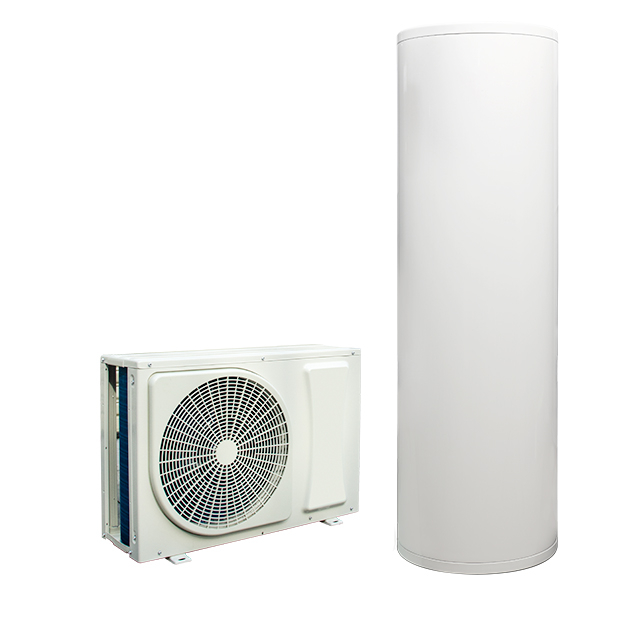
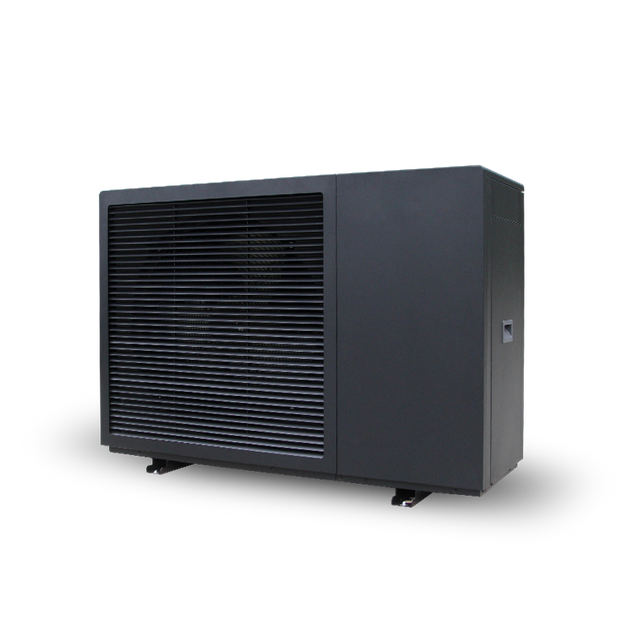
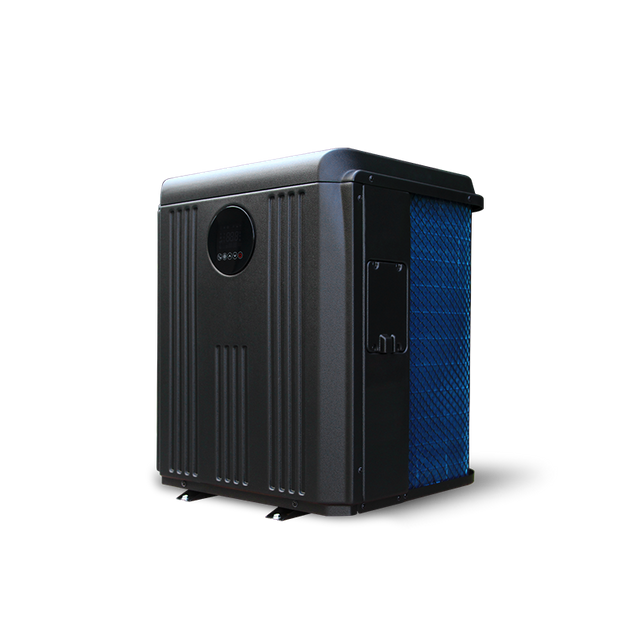
You need an energy-efficient equipment option to keep your water warm without facing heavy utility bills every season. Our advanced swimming pool heat pump units extract natural heat directly from the surrounding air. This efficient process heats water effectively while consuming minimal electrical power. You can also pair our units with a simple solar thermal setup to boost overall system efficiency. A supplemental solar array captures free energy during sunny daytime hours to decrease your power usage.
Traditional solar thermal collectors depend heavily on daily weather conditions and continuous sunshine to warm water. Our smart inverter systems provide steady water temperatures even when cold weather or dark clouds arrive. You enjoy perfectly warm water in your inground pool through every month of the swimming season. We build robust equipment that runs quietly in your backyard while holding ideal temperatures consistently.
Selecting energy-efficient equipment reduces long-term maintenance needs and avoids expensive fuel delivery expenses. Our heating units eliminate the high fuel costs associated with old propane or natural gas burners. You protect your family budget while enjoying continuous backyard comfort throughout the year. We test every unit thoroughly to guarantee stable performance during peak swimming months.
You can easily transform your swimming experience with our advanced heat pump technology. Please contact us today to request complete product specifications, technical details, or custom price estimates. We help you choose the best heating solution for your home budget.
Each option brings unique long-term costs to your pool setup.
Heater Type | Baseline Annual Operating Fee |
|---|---|
Gas Heater | $1,700/year |
Heat Pump | $1,050/year |
Solar Heater | $70/year |
Correct BTU sizing, local weather, and fuel options determine total value. Get ready for installer prices using these helpful steps:
Figure out pool gallons and total surface area to find your needed BTU heating level.
Inspect your main electrical box to see if it supports a 240V circuit.
Check your yard connections to confirm natural gas or fuel line access.
Confirm your worker holds state license documents and local city permits.
Checking distinct pool options keeps your overall spending stable over time. Running sun collectors powered by clean energy heats pool water smoothly.
Solar options offer the lowest operating cost for your swimming setup. Free sunlight powers solar panels daily. You only pay $5 to $25 monthly for filter pump energy. This system saves money compared to traditional heating units.
A gas system running cost ranges from $150 to $600 monthly depending on fuel choices. Natural gas units require $200 to $400 per month. Standard fuel heaters warm water fast, but high utility bills raise your total yearly spending.
An electric heat pump uses less energy than a gas unit. Heat pumps achieve a 3.0 to 7.0 COP efficiency rating by pulling heat from outdoor air. You save about $1,350 annually on utility expenses while enjoying steady water temperatures throughout the swim season.
You must match equipment BTU capacity with pool volume. Small pools under 12,000 gallons require 85,000 BTUs. Medium pools take 110,000 BTUs. Large pools over 18,000 gallons need 125,000 to 140,000 BTUs. Proper sizing prevents frequent system cycles.