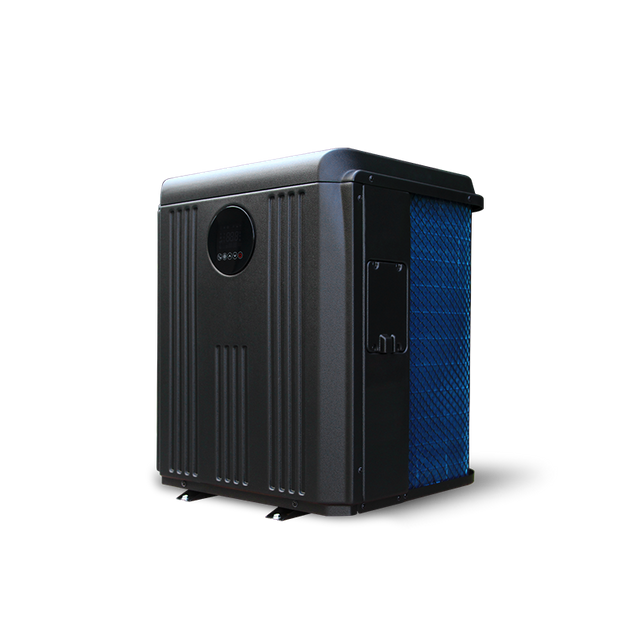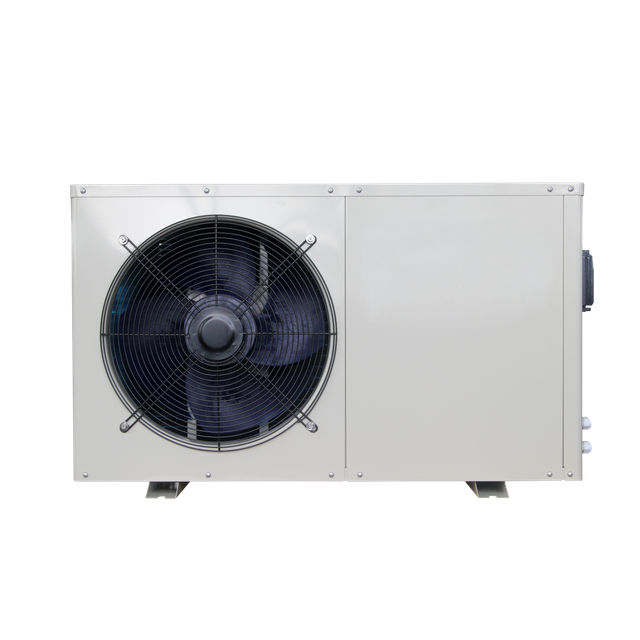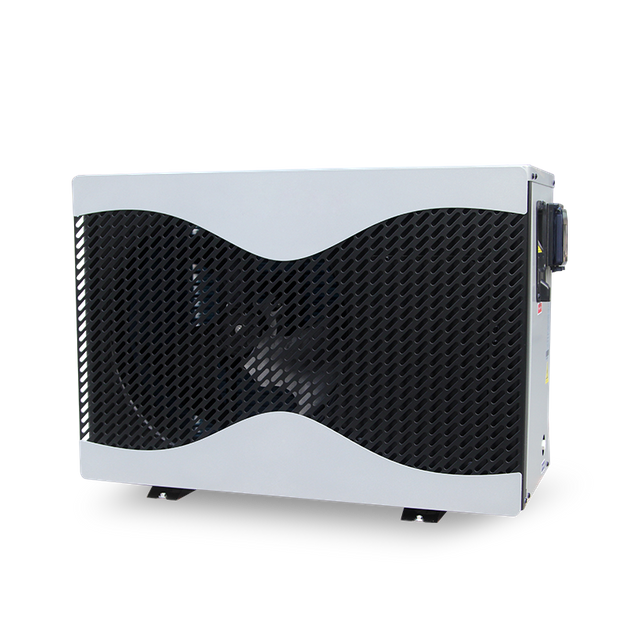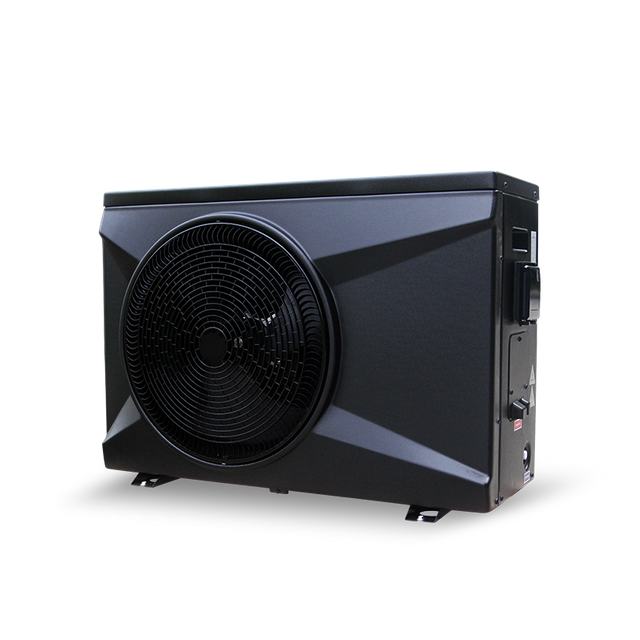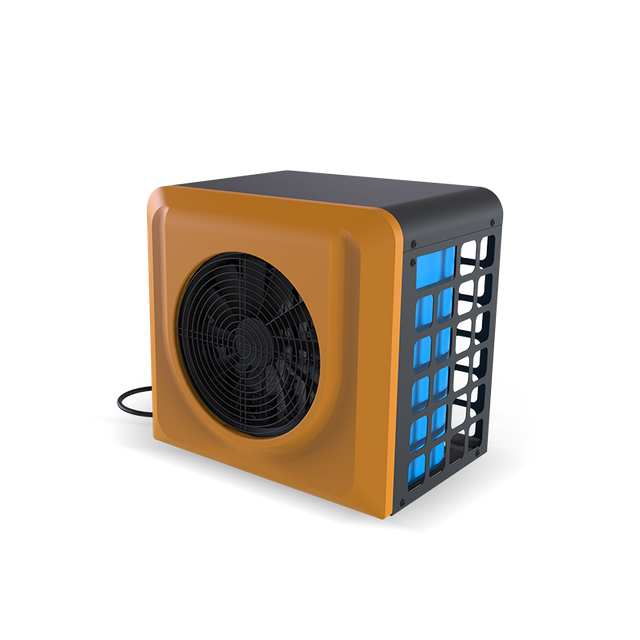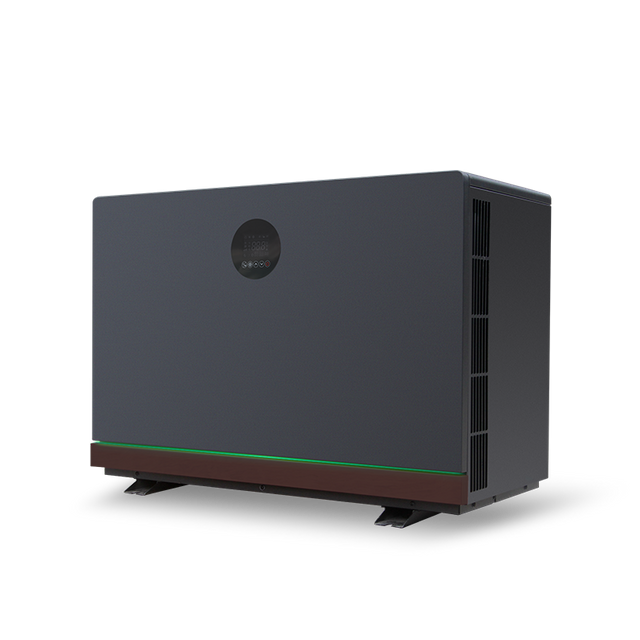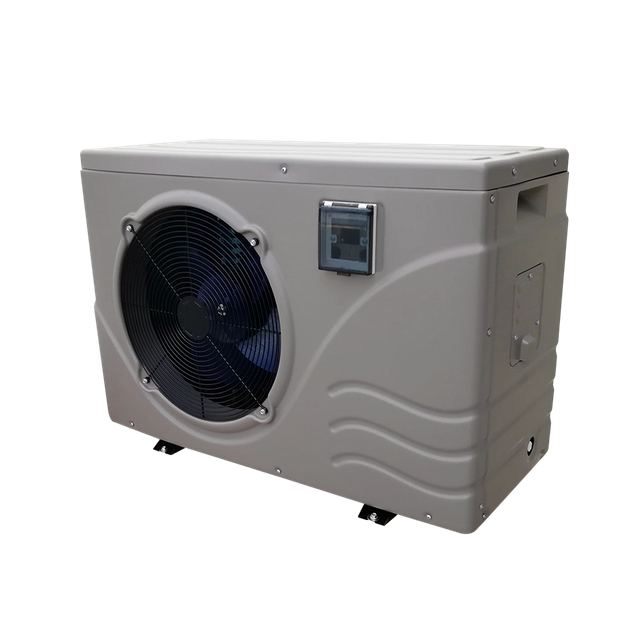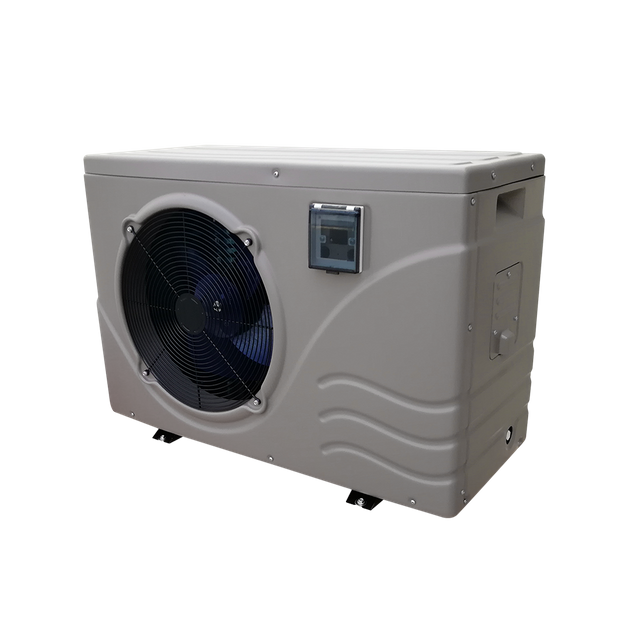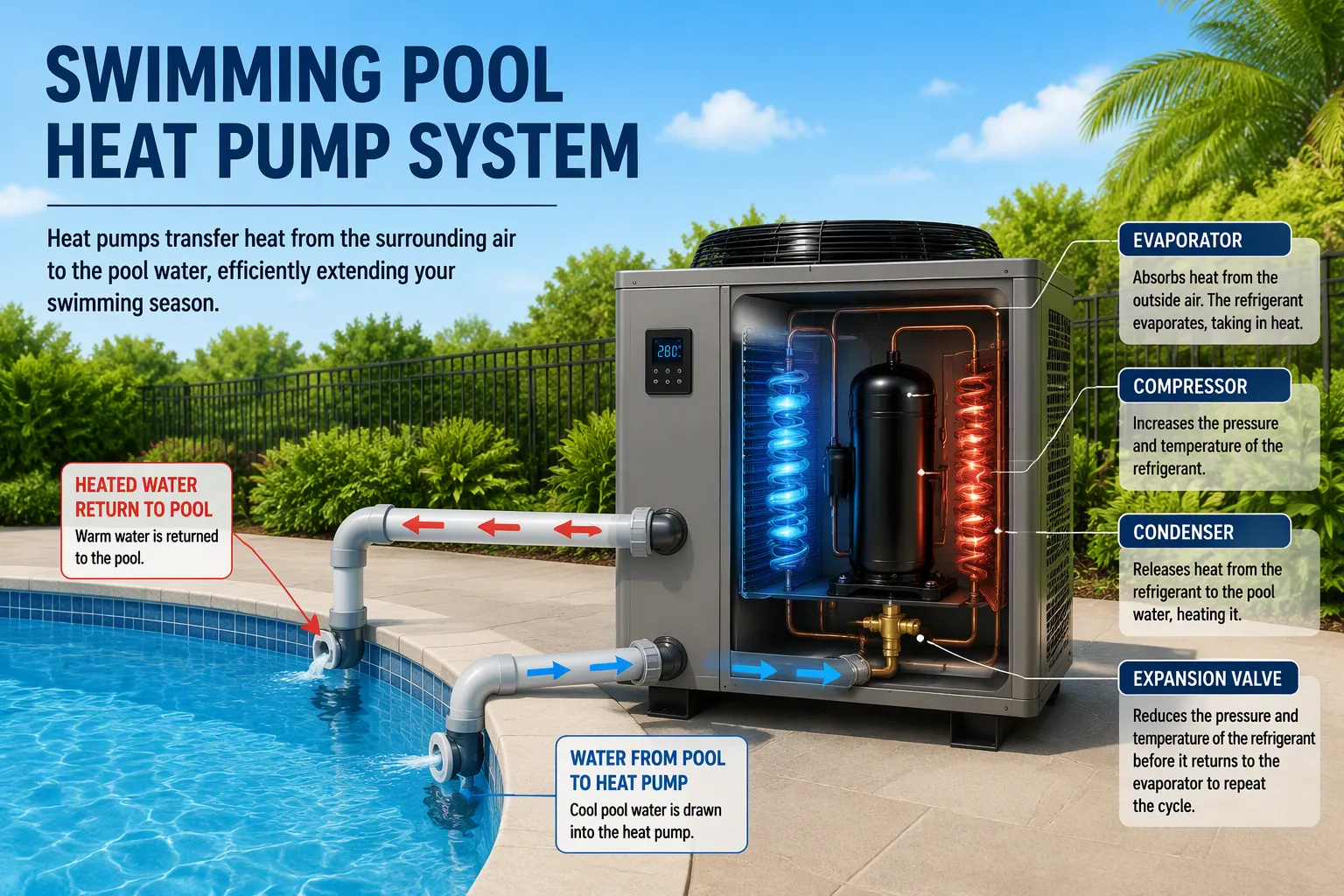
A pool heat pump warms your water by pulling heat from the air around it, not by making heat. It uses electricity to run a fan and a compressor inside a sealed loop. You don't burn fuel or use heating coils directly. Instead, the system moves existing heat from the outside air into your pool water.
This difference matters. Gas heaters and electric resistance units make heat by burning fuel or using high-resistance coils. Pool heat pumps just move warmth, so they work very efficiently. Good home models have a Coefficient of Performance (COP) between 5.0 and 6.5. That means they give you five to six times more heat energy than the electricity they use. Knowing how pool heat pumps work helps you see how they can save you money.
Pool heat pumps pull warmth from the air and put it into your pool water.
The four-step cycle uses evaporation, compression, condensation, and expansion.
A higher COP means you get more heat for every dollar you spend on electricity.
The temperature outside changes how well it works; inverter technology helps it stay efficient.
If your pool heat pump is the right size and installed correctly, it will cost less to run each month.
A swimming pool heat pump does not make heat. It grabs heat from the outdoor air and moves it into your pool water. This process uses a simple rule: heat always moves from a warmer thing to a cooler one. Your heat pump uses this rule all the time, even when the air feels cold to you.
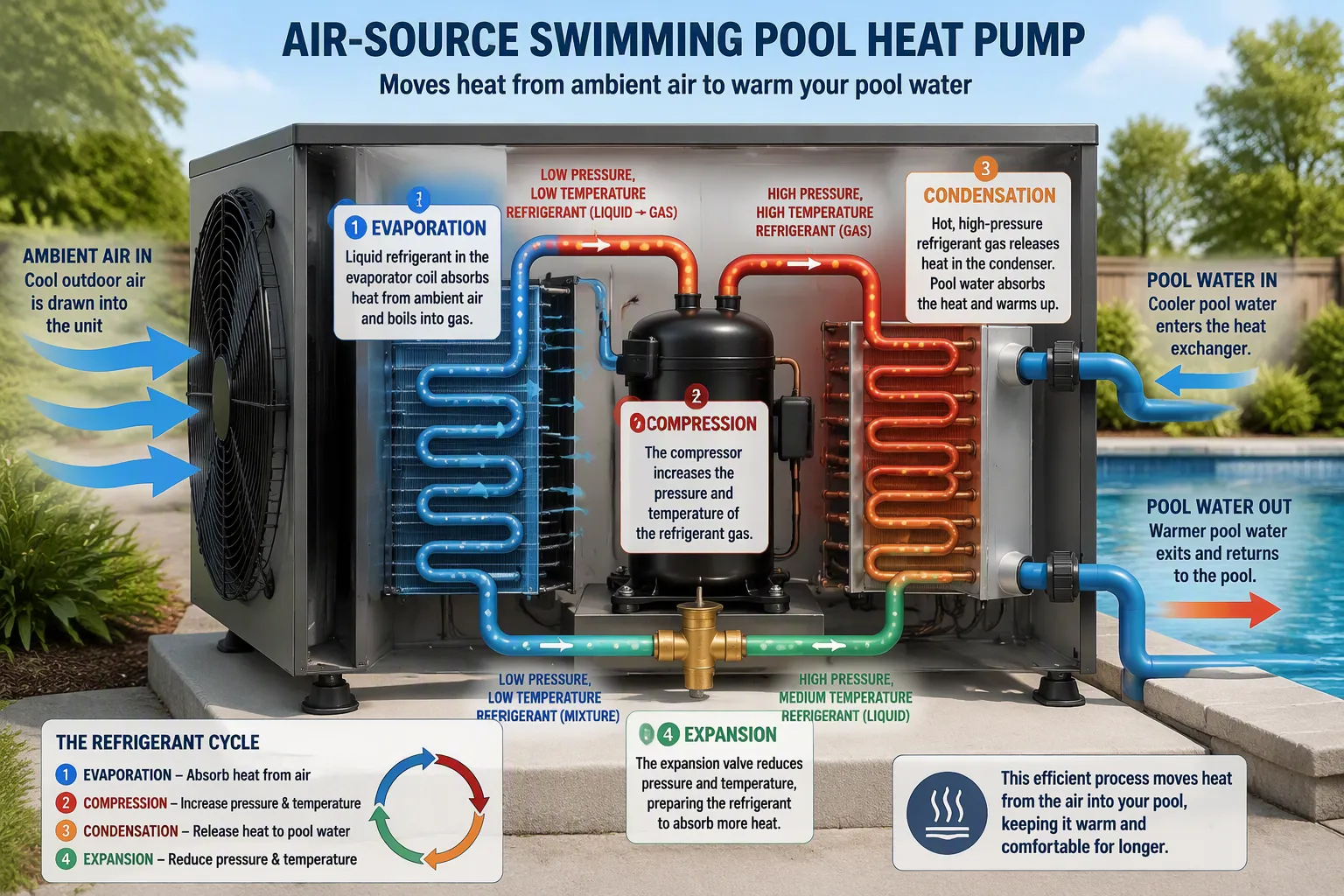
Your heat pump pulls outside air across a coil filled with liquid refrigerant. This refrigerant has a very low boiling point. When warm air passes over the coil, the refrigerant takes in heat and turns into a low-pressure gas. This turning happens even when outdoor temperatures drop well below freezing.
The system then pushes that gas into a compressor. The compressor squeezes the gas, making its pressure and temperature much higher. Next, the hot gas goes through a condenser heat exchanger. Your pool water flows through this exchanger, takes in the heat, and returns to the pool several degrees warmer. Finally, an expansion valve lowers the refrigerant's pressure and temperature, getting it ready for another cycle.
This four-stage process repeats over and over while your heat pump runs:
Evaporation: Outdoor air warms the refrigerant, changing it from liquid to gas.
Compression: The compressor raises the gas temperature and pressure.
Condensation: Hot gas gives off heat into your pool water.
Expansion: The valve cools the refrigerant for the next cycle.
Air source heat pumps can pull energy from the air down to well below -20ºC. Because the refrigerant boils at such a low temperature, even freezing air gives up its heat.
The difference matters for your energy bills. Gas heaters and electric resistance units make heat directly. They burn fuel or push electricity through high-resistance coils. Both methods waste a lot of energy as leftover heat that never reaches your pool.
Pool heat pumps work differently. They use electricity only to run the fan and compressor. The actual heat that warms your water comes from the surrounding air. This difference gives huge efficiency gains.
Heater Type | COP | Efficiency (%) | Relative Efficiency vs. Resistance |
|---|---|---|---|
Electric Resistance | 1.0 | 100% | Baseline (100%) |
Heat Pump (typical range) | 3.0–7.0 | 300%–700% | 300%–700% as efficient |
A COP of 5.0 means your heat pump gives five units of heat for every one unit of electricity it uses. Compare that to a gas heater working at 80–85% efficiency. The cost difference is clear when you look at monthly bills: heat pumps usually cost $100–$400 per month, while gas heaters cost $300–$800.
Knowing how swimming pool heat pumps work helps you see this efficiency. The temperature difference between the refrigerant and your pool water drives the heat transfer. Bigger differences boost efficiency. Proper water flow rates also matter, because faster circulation warms your pool more quickly and evenly.
At Solareast, we have made air-to-water heat pumps since 2012. Our residential, commercial, and industrial systems serve customers across Europe and beyond. As an OEM/ODM factory, we blend cutting-edge technology with sustainable design. Our products meet strict European environmental standards while giving reliable, eco-friendly heating. Explore our swimming pool heat pump collection to find the right model for your pool. Contact our team for sizing help, or learn more about our company and our commitment to energy efficiency.
The refrigeration cycle in your pool heat pump has four clear stages. Each stage changes the refrigerant's pressure and temperature in a set way. Knowing these stages helps you see how well the system heats your water.
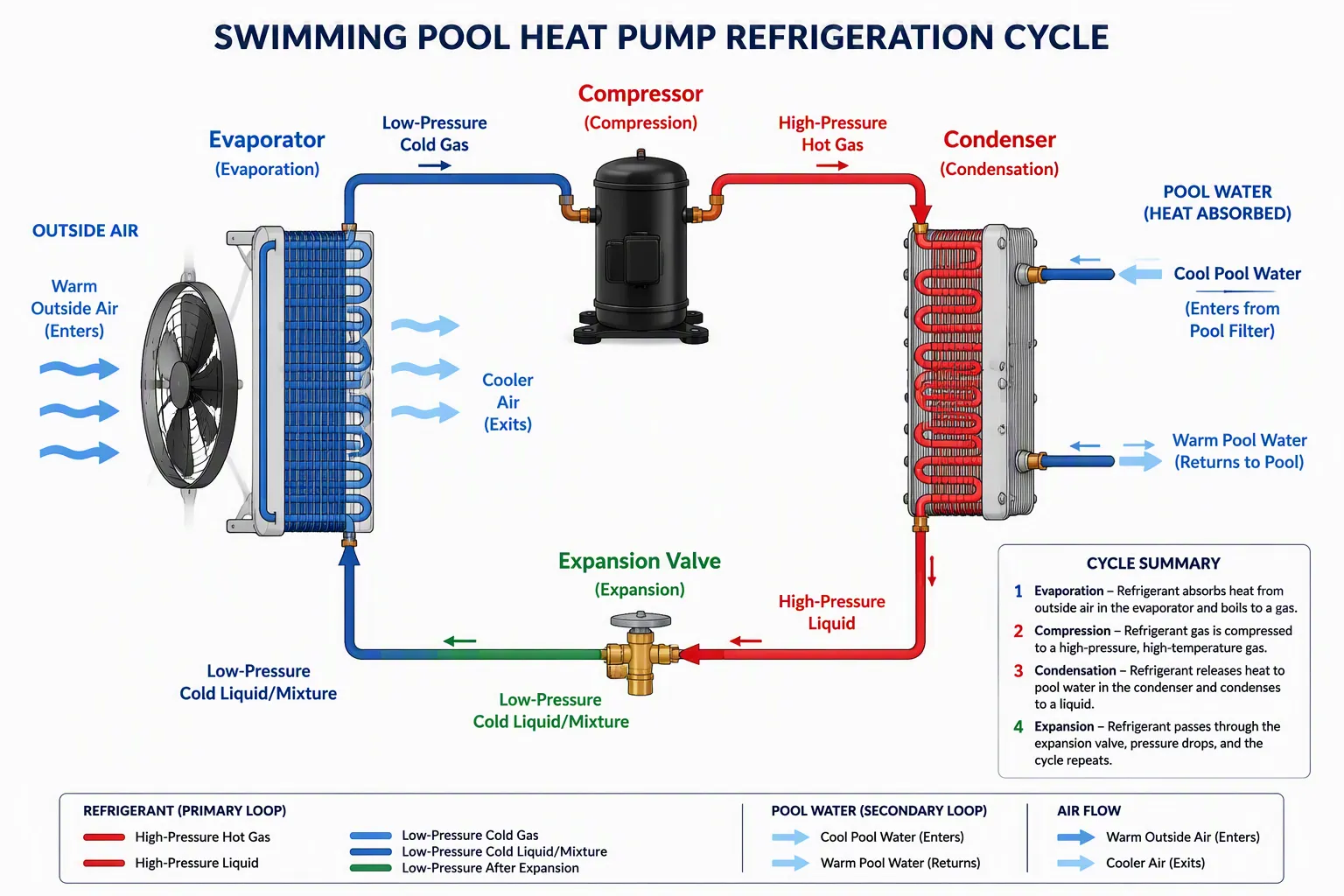
The cycle starts in the evaporator coil. Liquid refrigerant enters this coil very cold and at low pressure. Your heat pump's fan pulls warm outside air over the coil's metal surface. The refrigerant takes in heat from this air. This heat makes the liquid boil and turn into a low-pressure gas. The change happens fast because the refrigerant boils at a very low temperature. Even on cool days, the air has enough heat to turn all the refrigerant into gas.
This gas then moves to the compressor. The compressor pulls in the cool, low-pressure gas. Using a small amount of electricity, it squeezes the gas tightly. This squeezing raises both the temperature and pressure a lot. What began as a cool vapor now becomes a hot, high-pressure gas ready to give off its captured heat.
The hot gas now enters the condenser heat exchanger. Your pool water, pumped from the pool filter, flows through this exchanger in a separate path. The heat from the refrigerant passes through the metal walls into the water. As the gas releases its heat, it cools and turns back into a liquid. Your pool water takes in this heat and returns to the pool several degrees warmer.
After leaving the condenser, the liquid refrigerant goes through the expansion valve. This valve causes a sudden drop in pressure. The pressure drop makes some refrigerant boil quickly, creating a mix of liquid and vapor. This cold mix returns to the evaporator coil, ready to take in more heat from the air.
The full cycle follows this order:
Evaporation: Liquid refrigerant takes in heat from outside air, becoming a low-temperature, low-pressure gas.
Compression: The compressor turns this gas into a high-temperature, high-pressure gas using little electricity.
Condensation: The hot gas gives its heat to your pool water and becomes liquid again.
Expansion: The expansion valve lowers pressure and temperature, getting the refrigerant ready for another cycle.
This loop repeats while your heat pump runs. Each cycle moves a small amount of heat, but thousands of cycles per hour add up fast. This efficiency explains why pool heat pumps cost much less to run than gas heaters. You pay only for the electricity that runs the fan and compressor, not for making heat directly.
At SolarEast, we have made air-to-water heat pumps since 2012. Our residential, commercial, and industrial systems serve customers across Europe and beyond. As an OEM/ODM factory, we combine cutting-edge technology with sustainable design. Our products meet strict European environmental standards while giving reliable, eco-friendly heating. Explore our swimming pool heat pump collection to find the right model for your pool. Contact our team for sizing help, or learn more about our company and our commitment to energy efficiency.
Every pool heat pump depends on a few main parts that work together. Each part has one job in the heating cycle. Knowing these parts helps you care for your system and find issues early.
Your heat pump has four key parts that make up the closed-loop system:
Evaporator coil: A fan pulls outside air over this coil. Liquid refrigerant inside takes heat from the air and turns into gas. Bigger evaporators grab more heat and improve efficiency.
Compressor: This part presses the warm refrigerant gas. The pressing raises the gas temperature a lot. Common types are piston, rotary, and scroll compressors.
Condenser (heat exchanger): Pool water moves through this coil. The hot gas gives its heat to the water and turns back into liquid.
Expansion valve: This control drops the refrigerant pressure from high to low. The pressure drop lowers the temperature to about -20°C, getting the refrigerant ready for the next cycle. Capillary, electronic, and thermostatic valves are the main kinds.
A control board handles all electronic tasks. It checks sensors, starts the compressor, and changes fan motor speed. Temperature sensors measure incoming water temperature and tell the system when your pool hits the target. A defrost sensor watches the evaporator coil and starts a defrost cycle in cold months to stop frost buildup.
The heat exchanger moves thermal energy from hot refrigerant to your pool water. Material choice matters a lot because pool water has chlorine and other chemicals. Titanium is the top choice for tough environments.
Titanium forms a very stable oxide layer on its surface. This protective layer stays strong even in saltwater, stopping chloride ions from harming the metal. Unlike stainless steel, titanium resists pitting corrosion well.
Material Property | Titanium | Stainless Steel |
|---|---|---|
Chloride Resistance | Very high | Moderate to limited |
Service Life | Typically longer | Acceptable in mild conditions |
Risk Tolerance | Best for long-life design | Best for controlled systems |
Pick titanium for saltwater pools or heavy chlorination. Stainless steel works only in mild, well-controlled freshwater systems.
At SolarEast, we have built air-to-water heat pumps since 2012. Our residential, commercial, and industrial systems serve customers across Europe. As an OEM/ODM factory, we mix advanced technology with sustainable design. Our products meet strict European environmental standards. Explore our swimming pool heat pump collection to find the right model. Contact our team for sizing help, or learn more about our company. Proper installation keeps your unit running at top efficiency for years.
The Coefficient of Performance (COP) tells you how well your heater works. It compares the heat it makes to the electricity it uses. The formula is COP = |Q| / W. COP has no units. A COP of 5.0 means you get five units of heat for each unit of electricity.
COP Value | Heat You Get for $1 of Electricity |
|---|---|
3.0 | $3 worth of heat |
5.0 | $5 worth of heat |
7.0 | $7 worth of heat |
In the US, makers test heat pumps under AHRI Standard 1160. This standard uses 80°F air and 80°F pool water. Today's pool heat pumps get COP values between 4.0 and 7.0 in these conditions. With 80°F air and 80% humidity, a typical unit gets a COP of about 6.0. That number drops to about 4.0 when the air cools to 50°F.
COP is a snapshot value measured at one set of conditions. It does not show how well the pump works all season because efficiency changes with outdoor temperature.
Outdoor temperature directly controls your heat pump's performance. Warmer air has more heat to take, so COP goes up. Cooler air has less heat, so COP goes down and run times get longer. Humidity also matters. Dry air speeds up evaporation and heat loss. Humid air slows evaporation, helping your system keep heat.
The best temperature range is 15°C to 25°C (59°F to 77°F). Below 10°C, heating output drops and the system uses more energy. Below 5°C, the pool heat pump may have trouble working. You need a unit that is the right size for your climate to avoid slow pool warming.
Inverter technology helps solve this problem. Unlike fixed-speed compressors that turn on and off at full power, inverter compressors change speed to match the heating need. Your heat pump runs gently when the water is near the target temperature. It speeds up when you need faster heating. Studies show pool heat pumps with inverter technology use 30 to 40 percent less electricity than fixed-speed units. This steady operation keeps water temperature stable and reduces wear on the compressor. Proper installation also helps your system run at peak efficiency.
At SolarEast, we have made air-to-water heat pumps since 2012. Our home, business, and industrial systems serve customers across Europe. As an OEM/ODM factory, we mix advanced technology with sustainable design. Our products meet strict European environmental standards. Explore our swimming pool heat pump collection to find the right model. Contact our team for sizing help, or learn more about our company.
Solareast Heat Pump Ltd. started in 2012. The company makes air source heat pumps for homes, businesses, and factories. You get a partner who knows the whole heating cycle from start to finish. The company focuses on heat transfer technology. This gives you efficient heating for your pool. Years of experience mean you get reliable products that last. The factory builds units that work well in many different climates.
The OEM/ODM services at Solareast let you customize your product. You can choose special setups for your pool's heating needs. The factory uses modern manufacturing methods and strict quality checks. Every unit is fully tested before it ships. You get a product that matches your exact needs every time. This works well for businesses that need steady quality across many units. The company serves customers in Europe and other regions.
European environmental rules guide every step of production. Solareast's pool heat pumps meet strict standards for energy use and refrigerant handling. The technology includes inverter-driven compressors and titanium heat exchangers. These parts work together for efficient heating with less noise. The inverter technology changes compressor speed to match your heating needs. This change cuts energy use and makes equipment last longer. You get steady water temperatures without the noise of regular units. The titanium heat exchanger resists damage from pool chemicals. The compressor runs smoothly and quietly in your yard.
The product line includes many sizes to fit different pool volumes. You can find a pool heat pump that suits your local climate. The team helps you pick the right size based on your pool and weather. Proper installation keeps your system running at top efficiency for years. At Solareast, we have built air-to-water heat pumps since 2012. Our home, business, and factory systems serve customers across Europe. You can explore our swimming pool heat pump collection to find the right model for your pool. Contact our team for sizing help. Learn more about our company and our promise to eco-friendly solutions.
Your pool heat pump absorbs heat from ambient air, compresses refrigerant, and transfers that warmth to your water. This process uses far less electricity than gas or resistance heaters. You save money every month.
Pool heat pumps work best when sized correctly. Choosing the right pool heat pump matters for efficiency. Proper installation ensures optimal airflow. Regular filter cleaning keeps your system running smoothly. Maximizing pool heat pump benefits means matching unit size to your pool volume and climate.
At SolarEast, we have built air-to-water heat pumps since 2012. Our residential and commercial systems meet European standards. Explore our collection, contact us, or learn about us.
Most units raise water temperature by 1°F to 2°F per hour. A typical 20,000-gallon pool needs 24 to 48 hours for a noticeable temperature rise. Your pool size, starting water temperature, and outdoor conditions all affect the heating speed.
Yes. Pool heat pumps extract heat from air even at temperatures below 50°F. Performance drops as air cools, so heating takes longer. Some models with inverter technology operate efficiently down to 32°F. You may need a larger unit for colder climates.
Monthly operating costs range from $100 to $400 depending on your electricity rates, pool size, and local climate. Compare that to gas heaters at $300 to $800 monthly. The higher upfront cost of a heat pump pays back through lower utility bills.
Match the unit's BTU output to your pool volume and climate. A general rule: 50,000 to 75,000 BTUs for pools up to 15,000 gallons. Larger pools or cooler regions need higher BTU ratings. Proper sizing prevents wasted energy and slow heating.
Quality units last 10 to 15 years with regular maintenance. Titanium heat exchangers resist corrosion from pool chemicals, extending service life. Annual checks of refrigerant levels and coil cleaning help your system run efficiently for many seasons. Proper installation also matters for longevity.
At SolarEast, we have built air-to-water heat pumps since 2012. Our residential and commercial systems serve customers across Europe. As an OEM/ODM factory, we combine advanced technology with sustainable design. Our products meet strict European environmental standards. Explore our swimming pool heat pump collection to find the right model. Contact our team for sizing help, or learn more about our company.