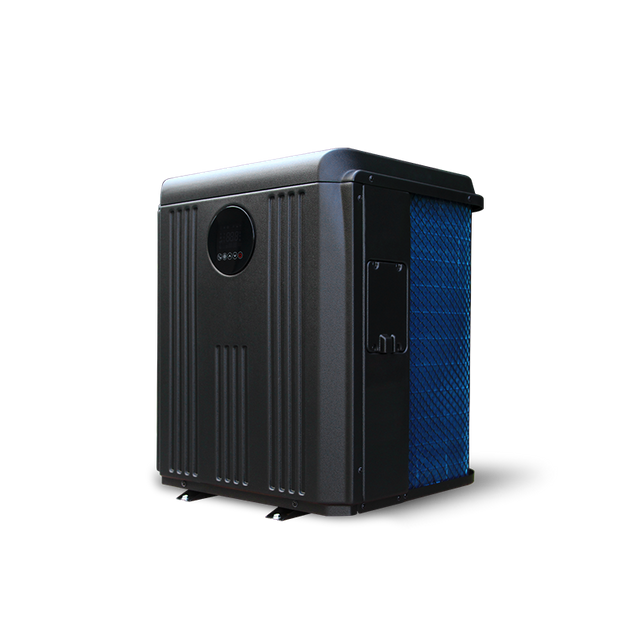
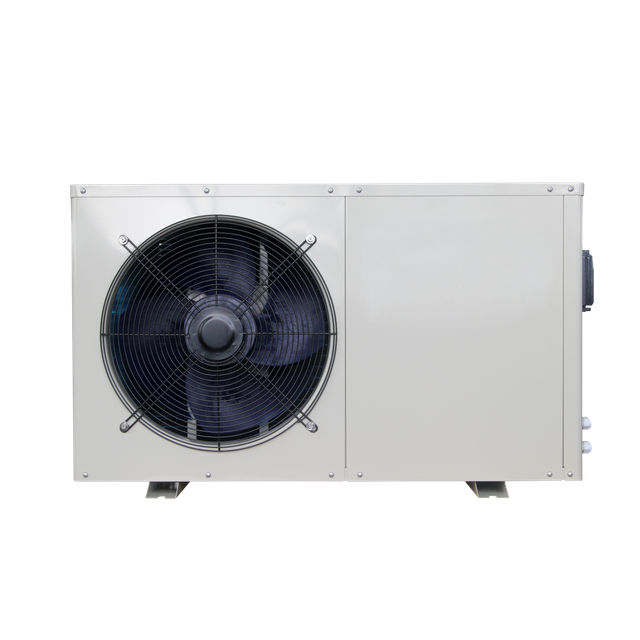
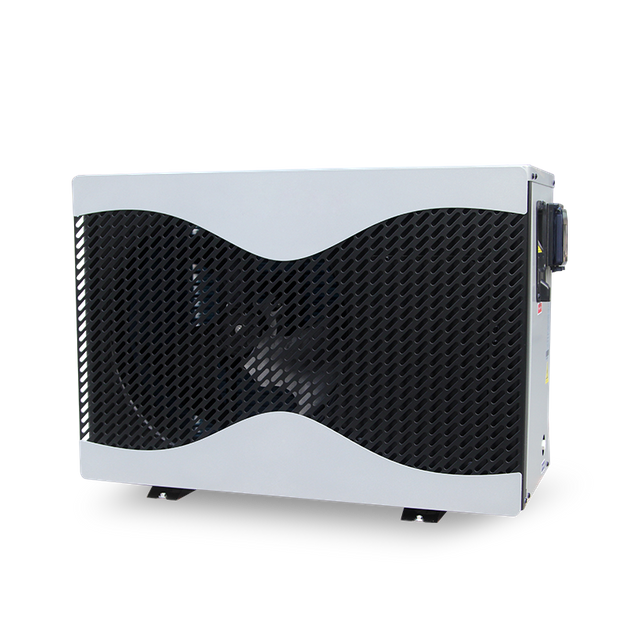
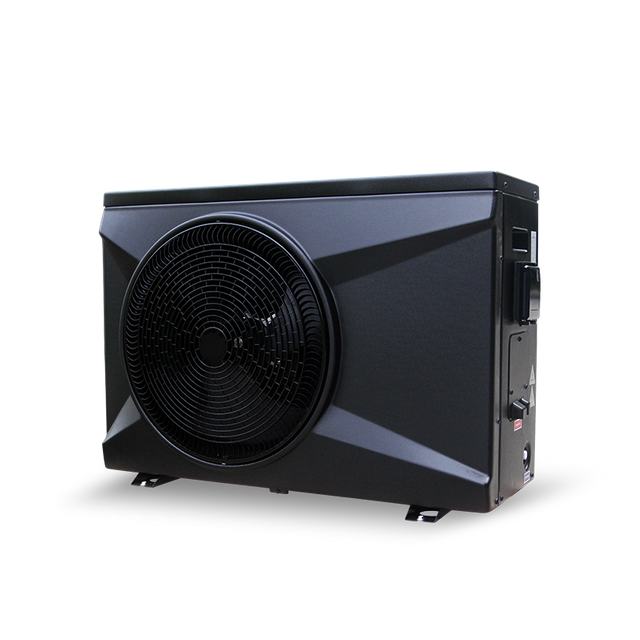
You need a heat output between 5 and 25 kW to heat a pool well in standard homes. Sizing your system correctly requires knowing basic energy measurements. Four main heat factors drive this math: total pool volume, surface heat loss, outside air temperature, and target heating time.
Surface heat loss causes most temperature drops during cool nights. A reliable pool heat pump takes heat energy from the surrounding air and moves it directly into your water. System efficiency decides how fast your water warms up. Figuring out these exact heat needs helps you pick the right equipment to heat a pool efficiently, avoiding high energy bills and long waiting times.
Typical pools require a heat pump output between 5 kW and 25 kW to warm up well.
Pool heat pumps create several kilowatts of heat for every single kilowatt of electricity they use.
Solar pool covers cut down on surface heat loss and lower your heating bills by up to 70 percent.
Inverter heat pumps change their operating speeds automatically to save about 30 percent more power.
Water stores heat well, so warming up a pool takes a huge amount of energy. You must perform exact energy math to choose the correct size for your heater. Warming 10 cubic meters of water by 1°C takes 11.6 kWh of energy. This total kWh amount sets the overall power needs for your entire pool setup. Knowing this basic energy rule helps you heat a pool efficiently using the right capacity. Correct sizing stops high power bills, lowers equipment stress, and stops slow warming in chilly weather.
Small and medium backyard pools hold less water overall, so they need fewer heat units to get warm enough for swimming. Even so, steady heat loss through the open water surface requires smart planning. You need to find the exact heat output to fight off cold outdoor air. Smaller pools warm up faster, but bare water surfaces lose heat fast on cold nights.
The main sizing math uses total pool gallons, your temperature goal, and how fast you want the water warmed. The basic math steps follow a simple formula: BTU/h = (gallons x 8.34 x temperature rise °F) / heating hours. Pool pros usually add a 25% safety margin on top of this first number. This extra power handles cold wind, chilly night air, and heat escaping into the sky.
| Sizing Parameter | Calculation Value | | Pool volume | 10,000 gallons | | Temperature rise | 80°F - 60°F = 20°F | | Heating time | 24 hours | | BTU/h before buffer | (10,000 x 8.34 x 20) / 24 = 69,500 BTU/h | | Heat-loss buffer | +25% | | BTU/h after buffer | 69,500 x 1.25 = 86,875 BTU/h | | Conversion factor | 1 BTU/h ≈ 0.000293071 thermal ratio | | Thermal output before buffer | 69,500 x 0.000293071 ≈ 20.37 kilowatts | | Required thermal output with buffer | 86,875 x 0.000293071 ≈ 25.46 kilowatts |
A common 10,000-gallon pool needs about 25.5 kW of heat to lift water from 60°F up to 80°F over a full day. Installing the right size heat pump keeps warming steady without straining parts when the machine first starts.
Big home pools need much higher heat levels because they hold more water and have wider tops. Larger water surfaces lose heat faster through evaporation into the open air. Because of this, big pools drop in temperature quickly overnight. You must pick gear that supplies steady power to balance heat losses through changing weather.
You should pick a dependable pool heater that makes enough heat for your local outdoor weather. Normal pool heaters built for bigger pools must make plenty of heat hourly to reach warm goals in reasonable times. Measuring your pool dimensions and finding total water gallons is the key first step before shopping.
When you heat a pool with lots of water, a small heater works constantly without ever reaching warm temperatures. Nonstop running brings heavy machine wear, low efficiency, and high power bills. Picking a system with plenty of extra power guarantees fast warming and easy control. Proper sizing ensures comfortable swimming for your whole family all year.

Clear facts about energy usage help you manage pool warming costs. Knowing how much electricity does a pool heat pump use keeps your monthly utility bills low. Standard pool heat pumps draw roughly 5–6 kW of electrical power hourly, which equals 5–6 kWh of electricity per hour. This electric power runs internal hardware like the system compressor and air fans.
You can calculate daily energy usage by following simple steps:
Find the listed power rating in total watts for your heat pump.
Multiply that wattage number by your total daily operating hours.
Divide your answer by 1,000 to find daily kilowatt-hour use.
Running a 2,000 W heater for 8 hours uses 2,000 W × 8 ÷ 1,000 = 16 kWh each day. A 100,000 BTU pump uses 5–6 kWh daily, depending on size, air conditions, and time. Asking how much electricity does a pool heat pump use links energy draw with thermal performance.
Homeowners need to separate plugged-in electrical power input from total thermal heat output. Equipment label kW ratings show overall thermal capacity rather than raw electrical input. A pool heat pump uses electrical power to pull warmth from outside air into pool water.
The thermal heat output in kilowatts equals electrical power input in kilowatts multiplied by COP.
COP shows the exact ratio of thermal heat output to electrical power input.
A heat pump with a COP of 6 creates 6 kW of heat per 1 kW used.
Therefore, thermal heat output (kW) = electrical power input (kW) × COP.
The BluePlenum Flow Pro 48 uses 1.1 kW input with a COP from 8 to 16.2. Using this math, thermal output ranges between 1.1 × 8 = 8.8 kW and 1.1 × 16.2 = 17.8 kW. Small pools need 9–12 kW output, but larger pools need 20 kW or more. Learning how much electricity does a pool heat pump use aids equipment choices.
The Coefficient of Performance measures system efficiency under real operational conditions.
COP is the ratio of the average rate of space heating delivered to the average rate of electrical energy consumed by the heat pump, determined at a single set of operating conditions.
Official testing standards measure pool heating work across common outdoor environments.
Condition | Typical COP (heat output ÷ electrical input) |
|---|---|
Residential pool heat pump, seasonal range | 3 to 6 |
AHRI 1160 80/80/80 (80°F air, 80°F water, 80% humidity) | around 6 |
Colder/drier air (about 50°F air) | closer to 4 |
The main U.S. testing procedure uses AHRI Standard 1160 with 80°F air and 80°F water. Verified COP ratings for home units usually fall between 3.0 and 7.0. Industry rules define COP as total heat output in kW divided by power input in kW. A 1 kW input at COP 5 gives 5 × 1 = 5 kW output. Lowering electricity consumption of a pool heat pump requires warmer running conditions.

First, you need to find how much water your pool holds. For a square pool, multiply length by width, then by average depth, and then by 7.5. To find average depth, add shallow and deep depths together, then divide by 2. For oval pools, multiply length by width by average depth by 5.9. Finding total volume ensures your equipment matches the real weight of your pool water.
Next, pick your target temperature for comfortable swimming. Most home pools stay between 80 and 84°F during spring and fall. Subtract cold water starting temperature from your warm goal to find total temperature rise. Bigger temperature jumps require a stronger pool heater to fight off cold surrounding air. Buying a small pool heater causes long initial warm-up times and continuous operation.
You can measure heat output directly using basic metric numbers. The sizing formula sets heat power in kilowatts equal to volume in cubic meters times 1.16, times temperature change in Celsius, divided by heating hours (P = V * 1.16 * ΔT / t). The constant number 1.16 equals the power needed to warm 1 cubic meter of water by 1°C in 1 hour.
This simple math lets you figure out the exact kw output needed for your plan. Warming water faster requires much higher power ratings. For instance, heating over 24 hours lowers required power compared to a fast 12-hour heating goal. Using this math helps you heat a pool efficiently without wasting electric power. Proper equipment sizing guarantees reliable warmth and prolongs machine life across changing seasons.
Evaporation causes most heat loss in open swimming pools. You can stop this loss by placing a cover over your pool water when you finish swimming. The U.S. Department of Energy says using a solar pool cover can cut heating costs by 50% to 70%. Covering your pool keeps warmth inside overnight when outdoor temperatures drop quickly.
Different pool covers offer varying levels of protection against heat loss. A normal solar bubble blanket gives a basic heat protection rating between R-1 and R-2. Higher quality foam-core covers offer much better ratings above R-6. Putting a good cover on your pool lowers your heating needs and protects your water.
Cover type | Typical thermal resistance |
|---|---|
Solar bubble cover | R-1 to R-2 |
Vinyl insulated cover | R-4 to R-6 |
Foam-core cover | R-6 or higher |
Picking the right machine helps you lower power bills during chilly months. An inverter pool heat pump changes motor speeds automatically instead of constantly turning fully on and off. Studies show these inverter models use 30% to 40% less electricity than old fixed-speed units. Lower speeds protect machine parts while keeping pool water warm for your family.
Inverter technology adjusts compressor speed to match thermal loss, yielding higher efficiency under partial loads.
System efficiency jumps up when your heater runs at lower speeds. At half speed in cool weather, an inverter pool heat pump reaches a COP rating above 10, but fixed-speed models get only 4 to 6. Remember that European Union rules leave out swimming pool heat pumps, so they lack official EU energy labels. Checking the total price of a pool heat pump helps you choose the best system for long savings.
Finding a trusted supplier is key when buying pool heating systems. Solareast Heat Pump Ltd. started in 2012 and grew into a top Chinese maker of air-to-water heat pumps. They build dependable gear for homes, businesses, and factories. You can check the Solareast about us page to explore their full company background. Right now, Solareast builds up to 500,000 units every year. This massive production gives you quick, steady access to energy-saving heaters.
Aspect | Solareast Manufacturing Standard |
|---|---|
Establishment | Founded in 2012 |
Core business | Air-to-water heat pump systems |
Testing facilities | CNAS-accredited testing labs and EN14511/EN14825 chambers |
Green technology | TÜV-certified R290 production lines and zero-carbon laboratory |
Solareast offers broad OEM and ODM services for international brands and sellers. You can easily modify control setups, internal software, custom phone apps, and Wi-Fi features. Their design teams also customize outer cases, frame shapes, and colors for your market. Solareast delivers fast sample models, full technical guides, and direct dealer training. Browse their total swimming pool heat pump line to discover versatile equipment choices. Solareast runs safe R290 explosion-proof rooms and strict testing setups. These high-tech facilities ensure each pool heat pump matches tough European eco-friendly rules.
Teaming up with a seasoned producer makes global product sourcing simple. Solareast operates CNAS-accredited labs alongside certified EN14511 and EN14825 test spaces. Their tech team runs detailed tests for long-term wear, sound levels, and rust on every part. A solar-powered zero-carbon lab drives ongoing study into eco-friendly R290 refrigerants. Head to the contact us page to get custom design help or place business orders. Working with Solareast brings proven quality, great technical help, and long-lasting pool heat pump performance anywhere.
Calculating your precise thermal needs ensures successful pool heating. Choosing the right equipment requires balancing several fundamental factors:
Pool size, depth, and calculated water volume
Pool location, wind exposure, and regional climate
Desired pool temperature and heating speed
Always select a pool heat pump based on its rated thermal heat output rather than its electrical power input. A high-efficiency unit generates maximum heat output while using minimal electricity.
At Solareast, we manufacture advanced air-to-water systems that make it easy to heat a pool efficiently. Founded in 2012, we deliver eco-friendly solutions for global homes. Browse our swimming pool heat pump options, visit our about us page, or contact us today to upgrade your system.
Standard houses typically require a thermal heat output from 5 kW to 25 kW. Warming 10 cubic meters of water up by 1°C takes roughly 11.6 kWh of energy. Choosing the right heating output stops slow warming times and reduces overall power bills.
You may ask, how much electricity does a pool heat pump use every day? Regular systems consume 5 to 6 kW of electrical power input each hour. A basic 100,000 BTU pump uses 5 to 6 kWh daily in everyday running conditions.
Chilly weather reduces machine performance and stretches out warming times. People frequently ask how much electricity does a pool heat pump use in colder months. Outside air near 50°F lowers the COP rating toward 4, which raises overall electrical power draw.
Yes. Putting a solar blanket on top of your water reduces heat loss by 50% to 70%. A pool heater warms up water far quicker if you block nighttime evaporation. Employing a cover shortens daily operating hours and shields inner heating parts from extra wear.
Knowing how much electricity does a pool heat pump use allows you to project monthly energy costs correctly. You can multiply input watts by daily running hours and divide by 1,000. This simple math helps you purchase an efficient model featuring a strong COP rating.