
With rising energy costs and tightening carbon regulations, selecting the right heating system for your home is no longer a simple matter of preference. This article compares different types of heaters and helps you determine which heating system is best suited to your home — based on efficiency, cost, and environmental impact.
From traditional fireplaces to high-efficiency heat pumps, the market offers a wide range of solutions. Each heater type comes with its own performance characteristics, cost profile, and environmental footprint.
In the context of different types of heaters, it's essential to understand the main categories available to homeowners:
Furnaces
These burn natural gas or use electricity to heat air, which is then distributed via ducts. Furnaces heat quickly but have high operational costs and moderate efficiency.
Boilers
Boilers heat water or steam and distribute it through radiators or underfloor pipes. They offer excellent comfort but are more expensive to install.
Heat Pumps
Rather than generating heat, they transfer it from the air or ground. Air-source heat pumps are highly efficient and versatile, suitable for a wide range of climates.
Used for room-specific or temporary heating:
Electric Heaters: Instant heat but high electricity usage.
Ceramic Heaters: Even heat with built-in fans for circulation.
Infrared Heaters: Heat objects directly rather than air.
Oil-Filled Radiators: Slow to warm but quiet and long-lasting.
In context of different types of space heaters, it’s essential to evaluate their suitability for smaller or supplemental heating needs.
Floor Heating: Provides even warmth and high comfort.
Wall Heating: Space-saving and efficient for modern homes.
Traditional and decorative:
Wood Fireplaces: Cozy but inefficient and high maintenance.
Gas Fireplaces: Cleaner and more convenient.
Pellet Stoves: Burn compressed biomass for higher efficiency.
Combine two or more heating technologies:
Combi Boilers: Combine water heating and space heating.
Hybrid Heat Pumps: Pair heat pumps with gas furnaces for extreme cold climates.
The shift in home heating systems is driven by three major factors:
Operating Costs: Energy prices are rising globally.
Carbon Reduction Policies: Governments are regulating fossil-fuel-based heaters.
Technology Innovation: Efficient systems like heat pumps offer superior long-term value.
In the context of heating systems and house of the heat, modern homeowners are looking for cleaner, smarter, and more sustainable solutions.
Let’s compare the annual cost of different heating systems in Germany for a 100 m² home with ~15,000 kWh annual heat demand:

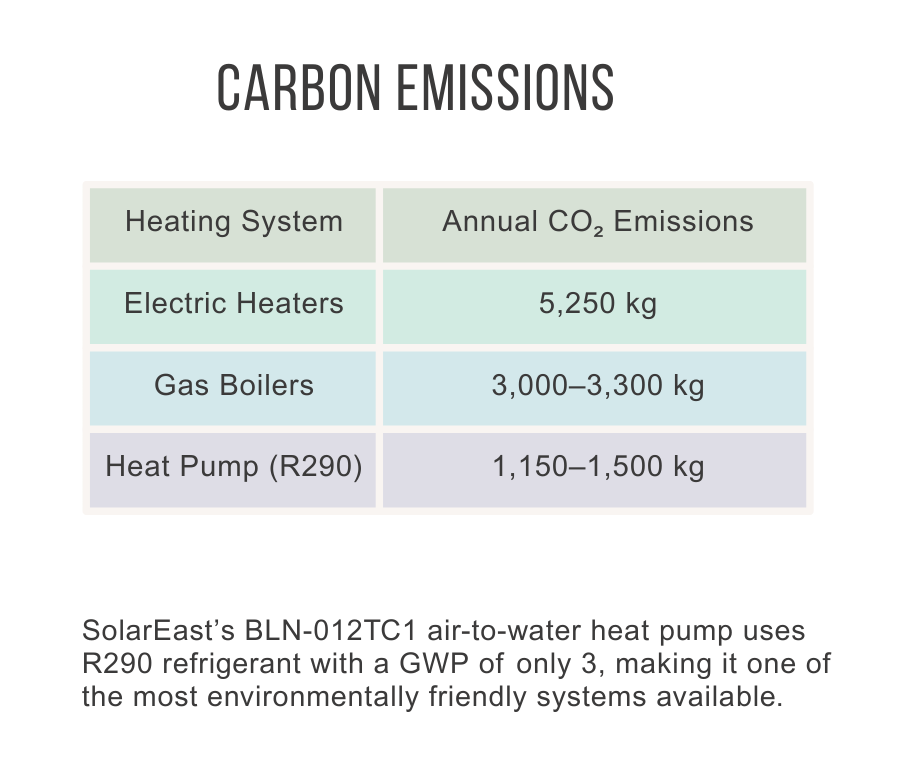
Using Germany’s CO₂ intensity of 0.35 kg/kWh for electricity, estimated annual emissions:
According to the International Energy Agency (IEA):
Europe’s heat pump sales grew by 11% in 2023.
France, Germany, and Italy are moving toward full phase-out of new gas boilers by 2030.
Updated EU F-gas regulations prioritize low-GWP refrigerants like R290.
Governments offer rebates of up to 60% for heat pump adoption.
In context of home heating systems, policy and consumer behavior are both shifting toward efficient and clean heat pump solutions.
Tested at TÜV SÜD in Germany under EN14511 and EN14825 standards, the BLN-012TC1 heat pump demonstrated exceptional performance:
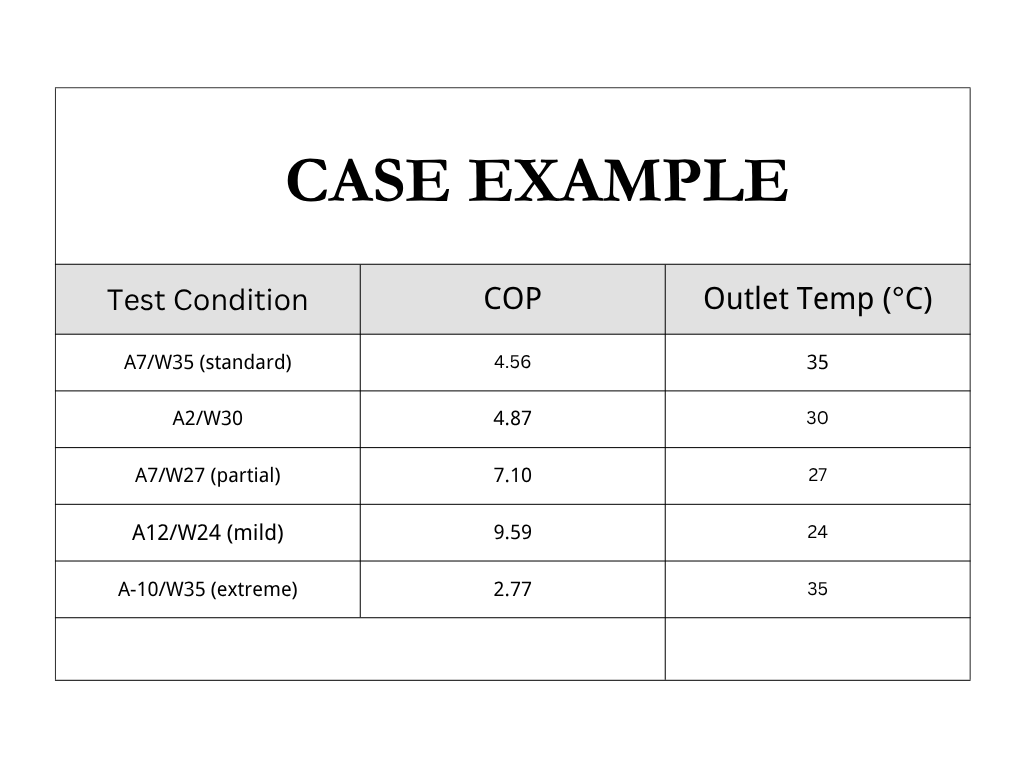
Seasonal COP (SCOP):
Low temperature application: 5.07 – Energy Class A+++
Medium temperature: 3.76 – Energy Class A++
In context of home heating and heating systems, these values place the SolarEast heat pump among the best-in-class for efficiency and reliability.
Choosing between different types of heaters requires considering climate, space, energy costs, and policy environment.
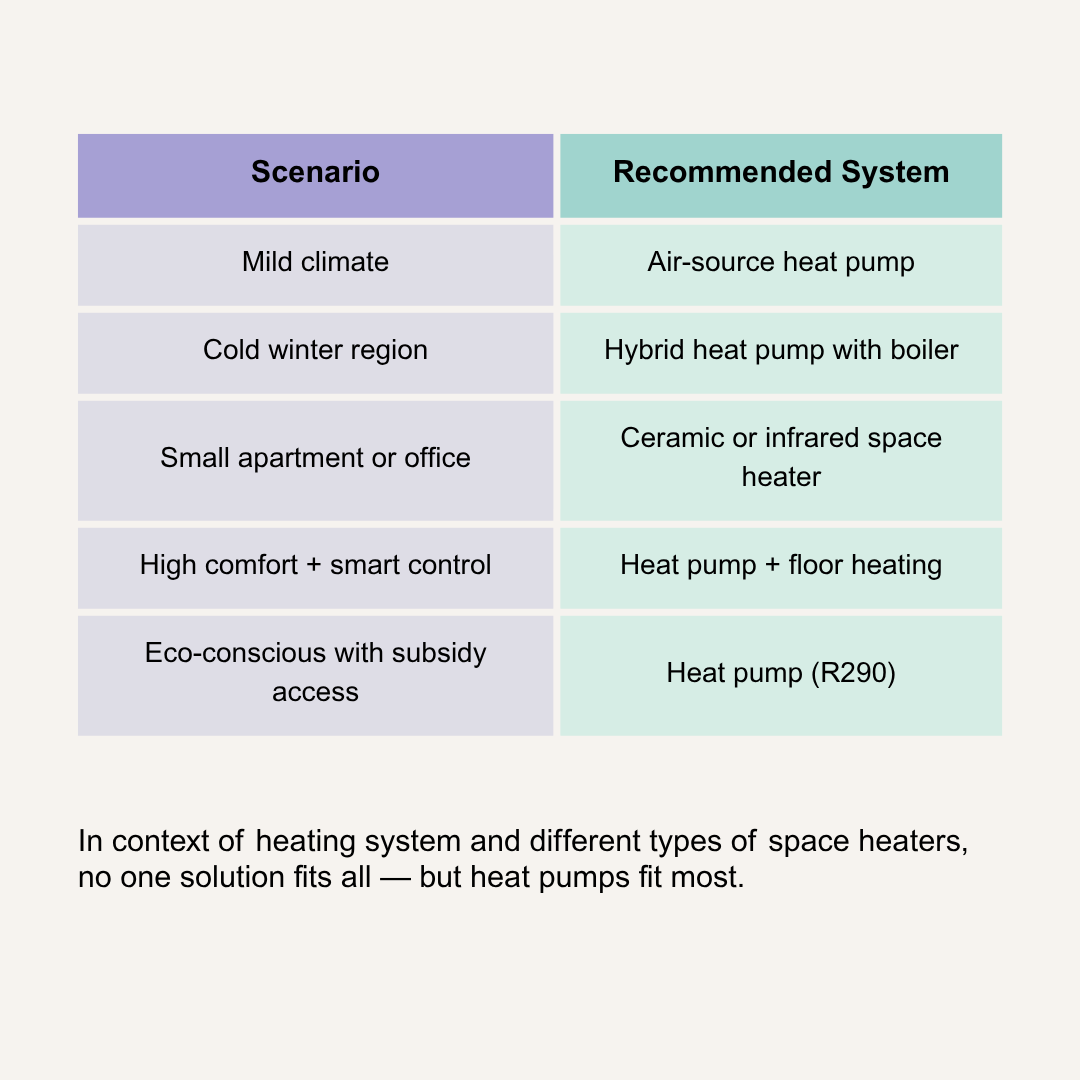
The evolution of home heating is accelerating. In light of cost efficiency, environmental performance, and market demand, heat pumps are clearly emerging as the dominant heating system of the future — and for most homes, they are the best choice.
SolarEast is proud to support this transition with certified, eco-friendly heat pump solutions tested under real-world European conditions.
In context of different types of heaters, the shift toward clean energy and high efficiency makes this choice more than just a preference — it’s a responsible decision for the planet.


